Heating & Air Conditioning in Boulder City, NV
Harold Johnson Services Co provides heating and cooling service throughout Boulder City and the surrounding Nevada area. A dripping condenser, an iced-over coil, or a dead furnace — call and talk to a local tech who's seen it before.
Ductless mini-splits
Single and multi-zone systems for additions, garages, and rooms that never cool right.
AC installation & replacement
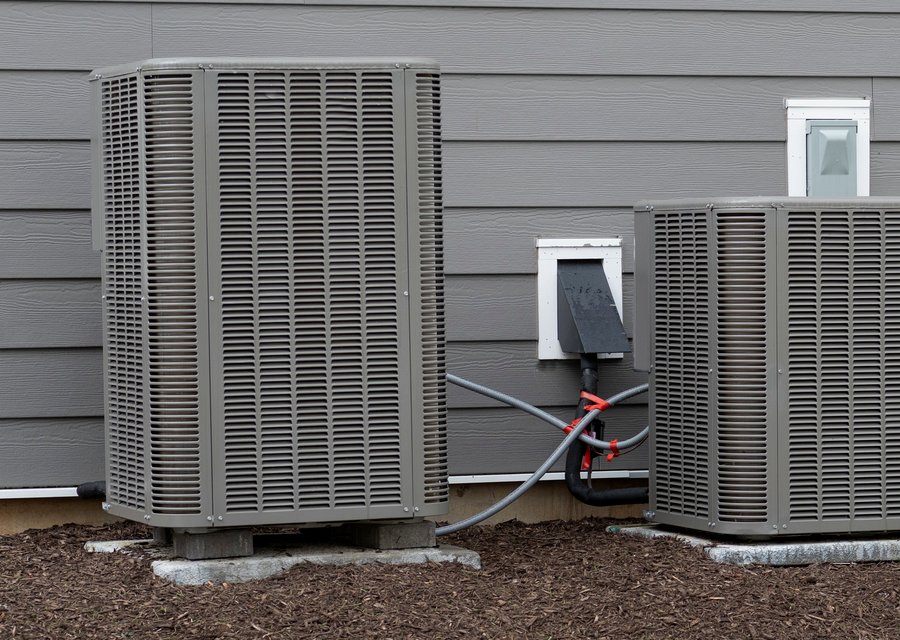
Properly sized new systems with load calculations, from value units to high-SEER equipment.
Duct cleaning & sealing
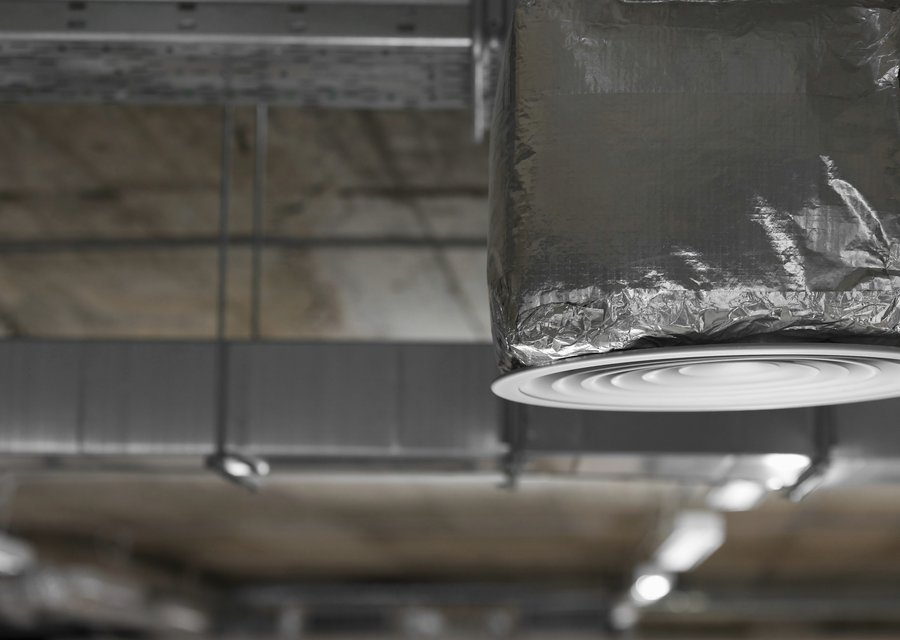
Airflow restoration and leak sealing to fix uneven rooms and dusty air.
Furnace repair
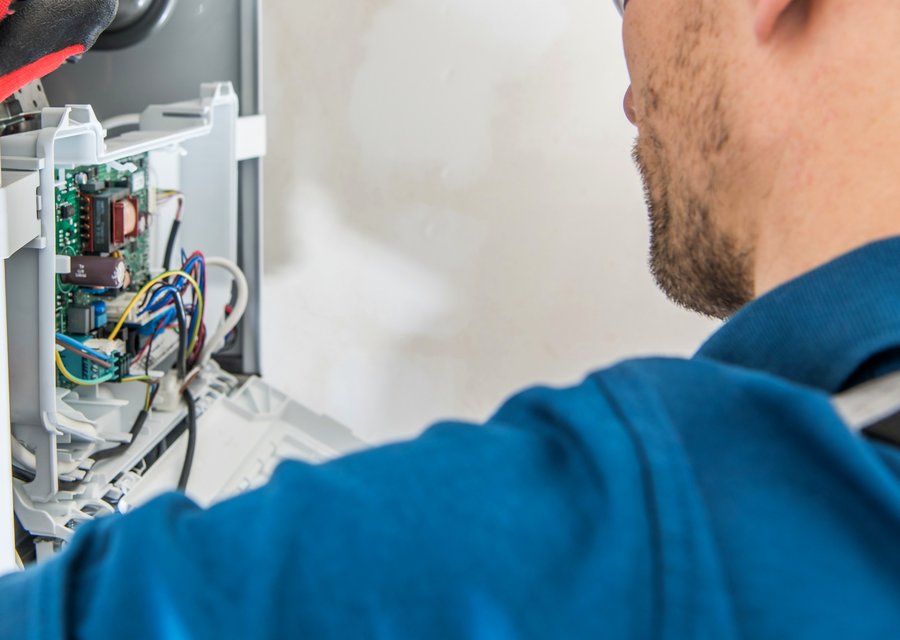
Ignition failures, flame sensors, blower motors, and no-heat emergencies on gas and electric furnaces.
Furnace installation
High-efficiency furnace installs with correct venting, sizing, and thermostat setup.
AC repair
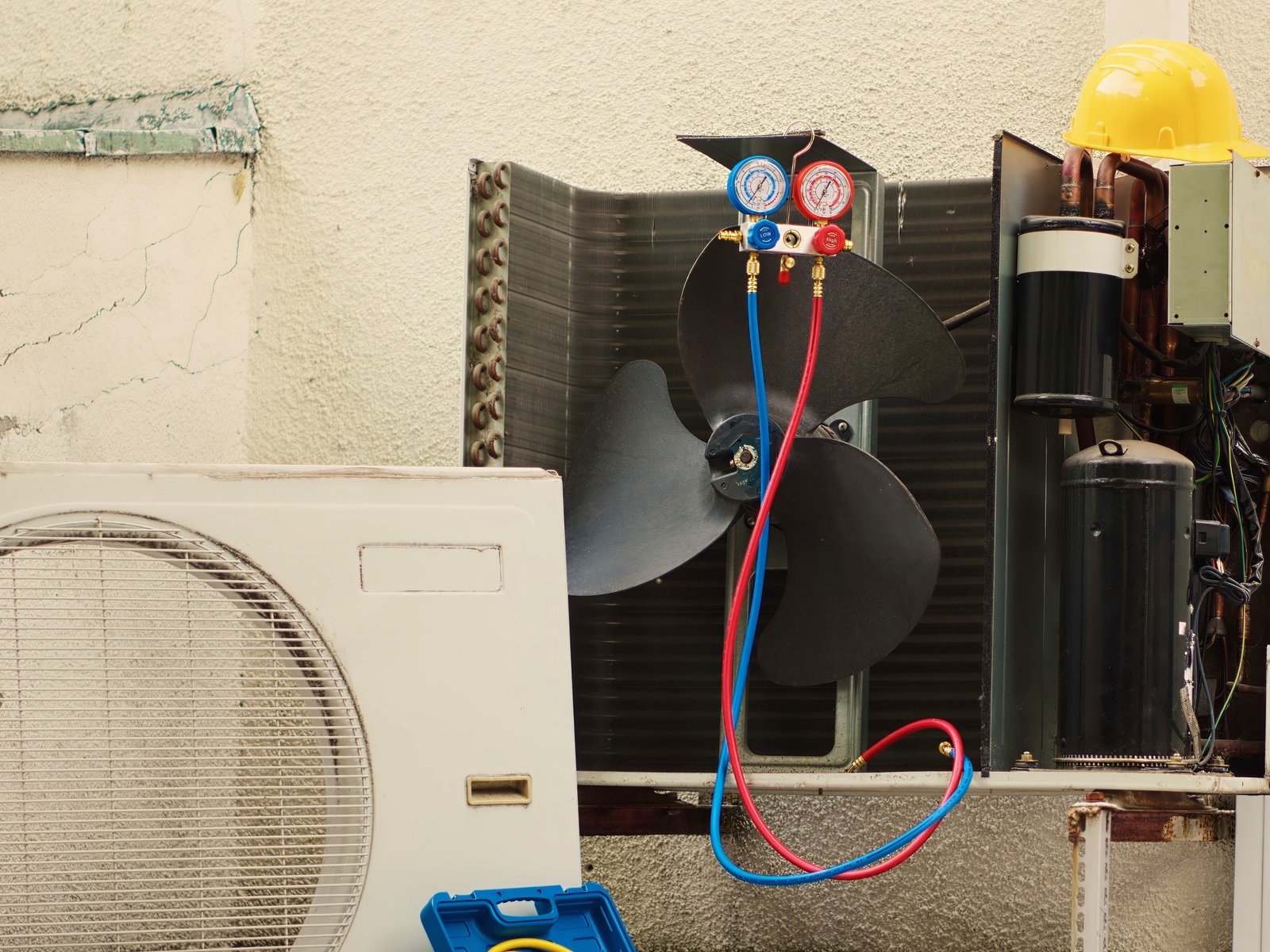
Diagnosis and repair of central air systems — warm air, weak airflow, refrigerant leaks, and electrical faults.
Heating & Cooling in Boulder City, Nevada
Desert extremes define Boulder City: brutal summer heat that keeps condensers running past sundown, dry air, and dust that works into every outdoor unit. Equipment sized and maintained for sustained 100-degree-plus operation is the local baseline. Local providers like Harold Johnson Services Co understand these conditions and service equipment accordingly.
Common HVAC Problems in Boulder City
Strange noises at startup
Grinding, squealing, or banging at startup often signals worn bearings, a loose blower wheel, or delayed furnace ignition — all worth addressing before they become breakdowns.
Short cycling
A system that starts and stops every few minutes wears out components fast. Causes range from an oversized unit to a faulty thermostat or a clogged condensate switch.
Frozen evaporator coil
Ice on the indoor coil chokes cooling entirely. Restricted airflow or low refrigerant are the usual causes, and running the unit while frozen risks compressor damage.
Furnace ignition failures
A furnace that clicks but will not light may have a dirty flame sensor, faulty igniter, or gas supply issue — problems best diagnosed by a trained technician.
Why Choose a Local Nevada Company
Local technicians know the housing stock — from older homes with aging ductwork to new builds with high-efficiency systems. Established local providers stand behind their work long after the invoice is paid. Same-area service means faster response when the weather turns and equipment fails at the worst moment.
Seasonal Tips for Nevada Homes
- Hose down the outdoor coil monthly during dust season; a caked condenser works dramatically harder.
- Protect the outdoor unit from intense sun where practical; shaded condensers reject heat more efficiently.
- Consider a whole-home humidifier for winter — very dry indoor air feels colder and drives up thermostat settings.
- At elevation, have combustion appliances tuned for altitude so they burn cleanly and efficiently.
Frequently Asked Questions
Why is my AC running constantly in summer?
During heat waves some runtime is normal, but nonstop operation with poor cooling suggests low refrigerant, dirty coils, duct leaks, or an undersized system. A service visit can pinpoint which.
What size HVAC system does my home need?
Sizing depends on square footage, insulation, windows, ceiling height, and local climate — not guesswork. An oversized unit short-cycles and an undersized one never keeps up, so a proper load calculation matters.
How long does an air conditioner last?
A well-maintained central air conditioner typically lasts 12–17 years. Systems that run long seasons or skip maintenance wear out sooner, while regular tune-ups and prompt repairs stretch lifespan toward the upper end.
What are signs of duct problems?
Rooms that never reach temperature, whistling sounds, dusty air, and high bills all point to leaky or unbalanced ductwork. Sealing and balancing often deliver the biggest comfort improvement per dollar.
How often should HVAC systems be serviced in Boulder City?
Most manufacturers and technicians recommend twice a year — a cooling check in spring and a heating check in fall. Given Boulder City's weather patterns, staying on that schedule protects efficiency and catches small faults before peak season.
Recent Work